Get Roof Damage Inspection
Roof damage inspection services help property owners identify issues like leaks, missing shingles, or structural problems by connecting them with local contractors who can assess and address the damage.
Property owners in the area who suspect roof damage often seek professional inspections to assess the condition of their roofs and identify potential issues early. Regular inspections can help prevent small problems from escalating into costly repairs or structural concerns, especially after severe weather events or seasonal changes. Exploring options for roof damage inspections enables property owners to make informed decisions about necessary maintenance or repairs, ensuring their buildings remain safe and weather-resistant.
Connecting with local contractors who specialize in roof damage inspections provides an opportunity to compare services and find experienced professionals suited to specific property needs. Whether planning routine check-ups or addressing visible concerns, property owners can benefit from professional evaluations that offer clarity and peace of mind. Continuing to read can help identify trusted service providers in the area ready to assist with comprehensive roof assessments.
- Roof Damage Inspection - needed after severe weather events to assess potential damage and prevent further issues.
- Roof Leak Detection - required when signs of water intrusion or stains appear inside the building.
- Storm Damage Assessment - necessary following storms that may have compromised the roof’s integrity.
- Hail Damage Evaluation - important after hailstorms to identify dents, cracks, or punctures that could lead to leaks.
- Routine Roof Inspections - recommended periodically to maintain roof health and catch problems early.
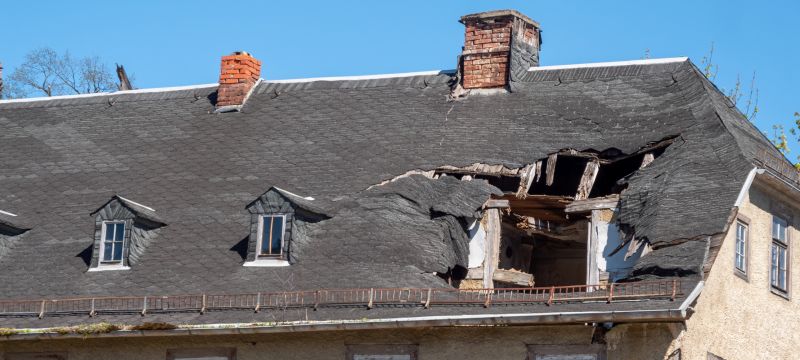
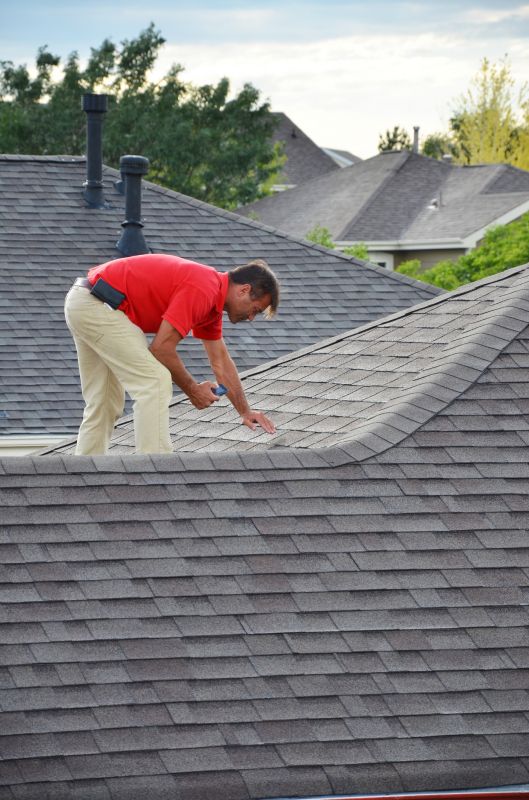
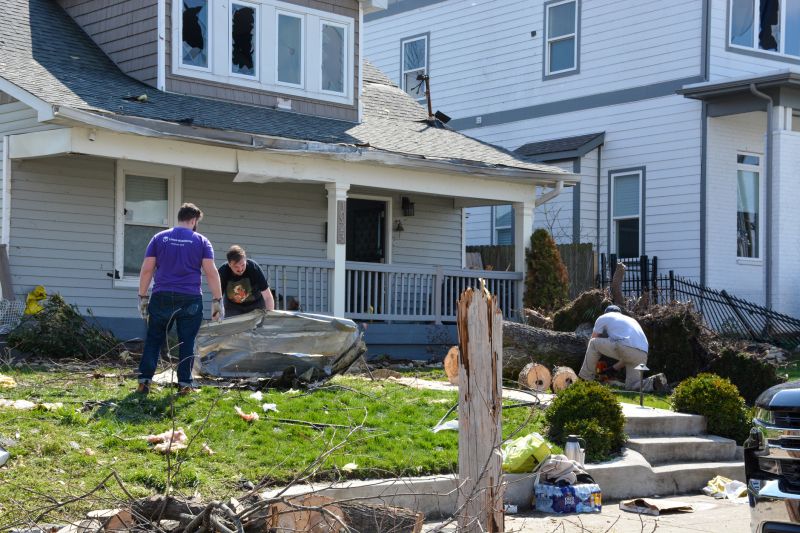
Roof damage inspection services involve a thorough assessment of a property's roofing system to identify existing issues or potential problems. Skilled service providers typically examine the roof’s surface, flashing, gutters, and other critical components to detect signs of wear, leaks, or structural concerns. This process often includes visual inspections from the ground or roof level, and in some cases, the use of specialized tools or equipment to evaluate areas that are difficult to see. The goal is to determine the overall condition of the roof and pinpoint any damage that may require repair or further attention.
These inspections are especially helpful in addressing problems such as leaks, missing or damaged shingles, cracks, or signs of water intrusion. Detecting damage early can prevent more extensive issues like wood rot, mold growth, or structural weakening. Roof damage inspections can also reveal underlying issues caused by severe weather events, fallen debris, or aging materials. By identifying these problems promptly, homeowners can take targeted action to maintain the integrity of their roof and avoid costly repairs down the line.
Property types that commonly utilize roof damage inspection services include single-family homes, multi-family residences, and commercial buildings. Homes in areas prone to storms, hail, or heavy rainfall often benefit from regular inspections to catch damage early. Commercial properties with flat or complex roofing systems also require professional assessments to ensure their roofs remain in good condition and to prevent business disruptions caused by leaks or structural failures. Whether a property is new or decades old, routine inspections can help maintain its value and protect its interior from weather-related damage.
Homeowners should consider scheduling a roof damage inspection if they notice signs such as missing shingles, water stains on ceilings, or visible damage after a storm. Additionally, routine inspections are recommended for properties in regions with harsh weather conditions or for older roofs that may have experienced years of wear. Service providers can evaluate the roof’s condition, identify potential problems, and recommend necessary repairs or maintenance. Contacting local contractors for a professional inspection can provide peace of mind and help preserve the safety and value of a property over time.
The overview below groups typical Roof Damage Inspection projects into broad ranges so you can see how smaller, mid-sized, and larger jobs often compare in your area.
In many markets, a large share of routine jobs stays in the lower and middle ranges, while only a smaller percentage of projects moves into the highest bands when the work is more complex or site conditions are harder than average.
Smaller Repairs - Most minor roof damage inspections cost between $250 and $600. These projects typically involve assessing small leaks, minor shingle damage, or localized issues. Many routine inspections fall within this middle range, with fewer cases reaching higher prices.
Moderate Damage Assessment - For more extensive damage, such as multiple damaged areas or moderate leaks, costs generally range from $600 to $1,200. Local contractors often handle these inspections, which may require more detailed analysis and reporting.
Severe Damage or Storm Damage - Larger, more complex inspections for storm or extensive damage can range from $1,200 to $3,000. These projects often involve comprehensive assessments of entire roof sections or multiple issues, with fewer projects reaching the top end of this range.
Full Roof Replacement Evaluation - When a full roof replacement is recommended, inspection costs typically fall between $300 and $800. This initial assessment helps determine the scope of work needed, with most projects landing in the lower to middle part of this range.
Actual totals will depend on details like access to the work area, the scope of the project, and the materials selected, so use these as general starting points rather than exact figures.
Roof Leak Detection - Professionals specializing in roof leak detection use similar inspection techniques and tools to identify hidden damage and water intrusion issues.
Gutter Inspection and Cleaning - Gutter service providers assess and maintain drainage systems, requiring skills in visual inspection and damage assessment comparable to roof damage evaluations.
Attic and Insulation Inspection - Inspectors evaluate attic conditions and insulation integrity, which often involves identifying signs of water damage or leaks that affect roofing systems.
Storm Damage Assessment - Contractors assessing storm-related damage utilize similar planning and inspection methods to evaluate roofing components affected by severe weather.
Chimney and Flashing Inspection - Inspecting chimney and flashing conditions involves detailed visual assessments and damage identification akin to roof damage inspections.
Skylight and Ventilation System Inspection - Evaluating skylights and ventilation systems requires inspection skills to detect leaks or damage that can impact roof integrity.
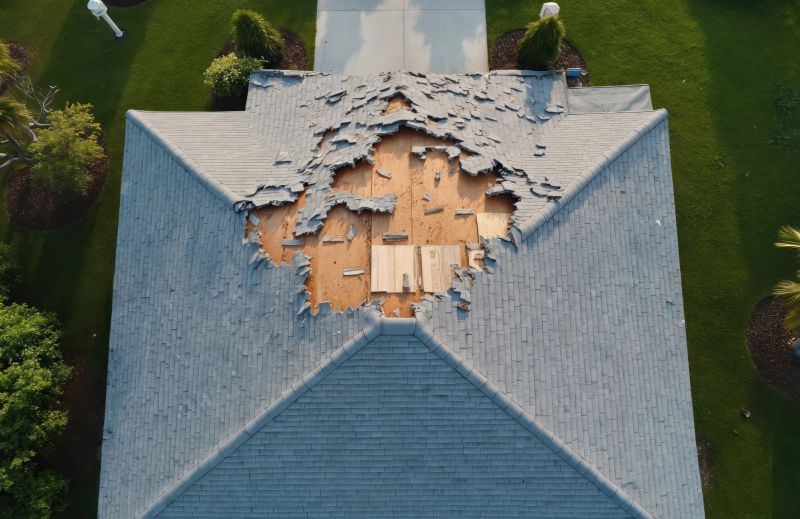
When comparing service providers for roof damage inspections, it’s important to consider their experience with similar projects. Homeowners should look for local contractors who have a proven track record of handling roof inspections in situations comparable to their own. An experienced professional will be familiar with common issues that arise in specific types of roofing systems and environmental conditions, which can lead to a more thorough and accurate assessment. This background can help ensure the inspection covers all necessary aspects and provides reliable information for making informed decisions about repairs or further action.
Clear written expectations are essential when evaluating potential service providers. Homeowners should seek out local pros who can provide detailed descriptions of what their inspection includes, what to expect during the process, and any follow-up steps that might be recommended. Having this information in writing helps prevent misunderstandings and ensures everyone is aligned on the scope of work. It also allows homeowners to compare different options more effectively, ensuring that the chosen contractor’s approach aligns with their needs and priorities.
Reputable references and good communication are key indicators of a trustworthy service provider. Homeowners are encouraged to ask local contractors for references from previous clients, particularly those who had similar roof issues. Contacting these references can provide insights into the contractor’s professionalism, thoroughness, and reliability. Additionally, clear and responsive communication from the service provider-whether through phone, email, or in-person interactions-can help build confidence that the contractor will be accessible and transparent throughout the inspection process. It’s important to remember that this site introduces homeowners to local options for roof damage inspections, but the actual work is performed by the selected service providers.
Property owners use Roof Damage Inspection services for practical projects around their homes and businesses. This guide focuses on everyday jobs and straightforward project options.
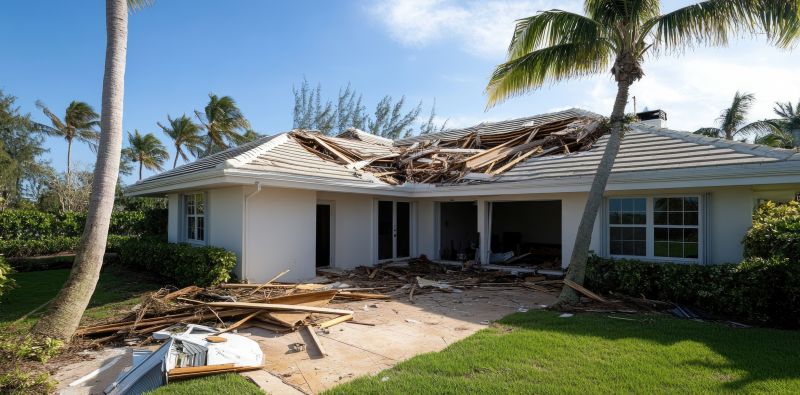
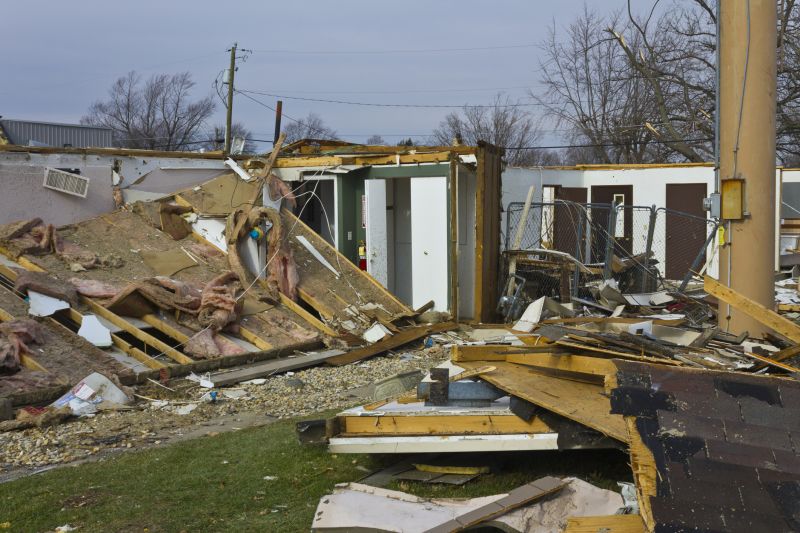
Property owners in the area may seek roof damage inspection services after noticing visible issues such as missing shingles, leaks, or water stains on ceilings. Weather events like storms or heavy winds can cause damage that isn’t immediately obvious but could lead to more serious problems if left unaddressed. Local contractors specializing in roof inspections can help identify early signs of damage, providing peace of mind and helping to prevent costly repairs down the line.
Additionally, homeowners planning renovations or preparing to sell their property often look for roof assessments to ensure the roof’s integrity. Routine inspections are also common after severe weather or when experiencing ongoing issues like drafts or uneven roofing surfaces. Service providers in the area can offer thorough evaluations to determine if repairs are needed, helping property owners maintain their roofs’ condition and protect their investment.
What does a roof damage inspection include? A roof damage inspection typically involves a thorough assessment of the roof’s surface, looking for signs of damage such as missing shingles, cracks, or water stains, to help determine the extent of any issues.
How can I identify if my roof has damage? Signs of roof damage include visible missing or broken shingles, water leaks inside the home, water stains on ceilings, or increased granule loss in gutters, which local contractors can verify during an inspection.
Why should I get a roof damage inspection? Getting a roof damage inspection can help identify issues early, potentially preventing more extensive damage and costly repairs down the line, by connecting with qualified local service providers.
What are common causes of roof damage? Common causes include severe weather such as storms or hail, fallen debris, aging materials, or improper installation, all of which local contractors are experienced in assessing.
How often should I have my roof inspected? It is generally recommended to have a roof inspected after severe weather events or at least once a year, with local service providers available to perform these assessments.
Assessing Storm Damage - Property owners can utilize roof damage inspection services after severe weather to identify hidden issues that may need repair.
Preventing Water Leaks - Regular inspections help detect early signs of damage that could lead to leaks, protecting the interior of a home.
Planning Roof Repairs - Homeowners can use inspection reports to prioritize repair projects and coordinate with local contractors for timely fixes.
Maintaining Roof Longevity - Routine inspections support proactive maintenance, extending the lifespan of a roof and avoiding costly replacements.
If you are thinking about Roof Damage Inspection for a property, this guide is meant to help you understand the work, the typical project types, and how different options might fit your plans.
When you are ready, you can use the quote form on this page to share a few details about your project. From there, local pros can review the basics and respond with options that match what you have in mind.